Sourced fact
The News
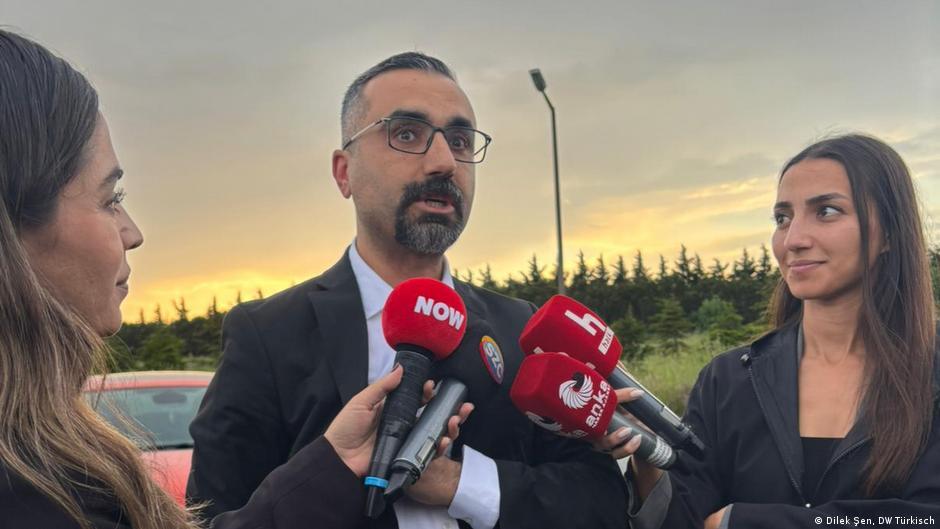
Alekan Oludogdu was released on Wednesday, after one day of his re-detention on new charges. This arrest came just two months after his temporary release in a separate case under trial.
Analysis & context
Analysis & Context
From an analytical perspective, the confiscation of Alekan Oludogdu, a journalist affiliated with DW, and his subsequent return to detention raises serious questions about freedom of the press in Turkey. This is not the first instance of arrests and restrictions imposed on foreign journalists; he was previously arrested in another case before being temporarily released. It appears this new arrest is an administrative measure aimed at putting pressure on media outlets that criticize Turkish government policies, particularly concerning the conflict in Syria and the refugee issue.
In a broader context, these events can be considered part of a wider trend of increased government censorship and control over media outlets in Turkey since the 2016 attempted coup. The Turkish authorities frequently employ such measures to pressure journalists covering sensitive issues, such as allegations of financial support for “terrorist organizations” or investigations into corruption or human rights violations. Oludogdu’s travel ban particularly illustrates this pattern of behavior, with the Turkish system attempting to restrict the ability of foreign journalists to operate independently within the country.
It is important to note that these incidents do not occur in a vacuum, coinciding with repeated calls from the international community to release Oludogdu and ensure respect for freedom of the press in Turkey. However, so far, there has been no tangible change in the Turkish government’s stance, increasing concerns about the future of independent media outlets in the country.